
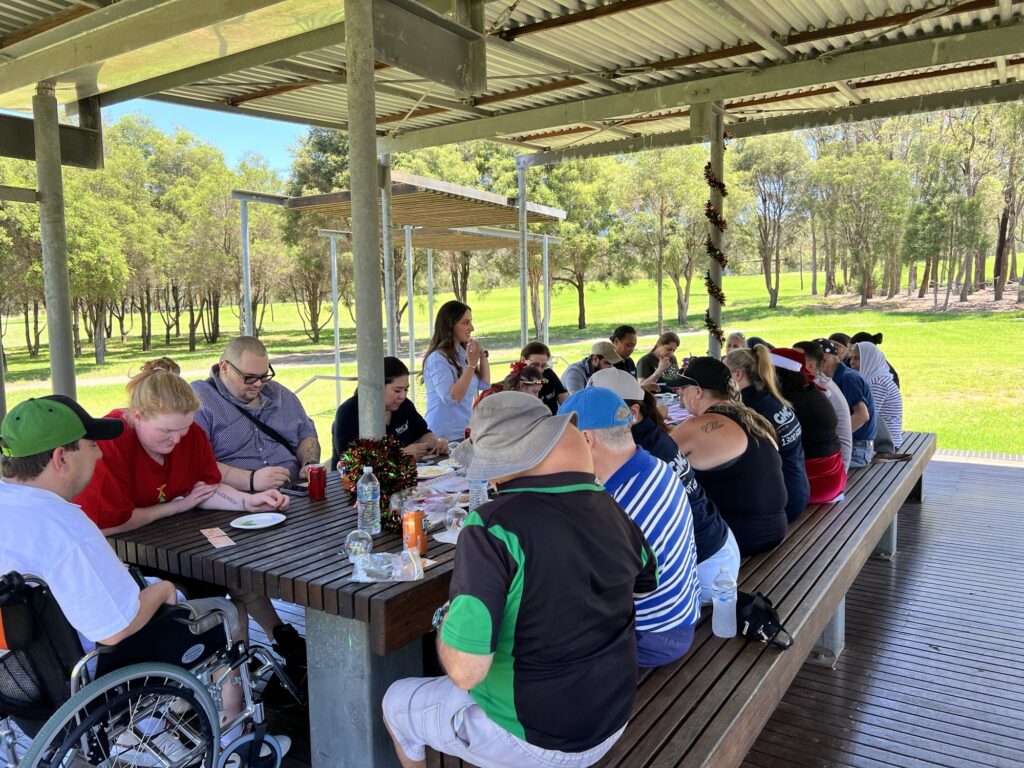
Engaging with your local community is about more than just “getting out of the house.” It is about building confidence, developing new skills, and creating a sense of belonging. Under the National Disability Insurance Scheme (NDIS), Community Participation is a key pillar designed to empower participants to live more independent and fulfilling lives.
In this comprehensive guide, we explore what community participation looks like, how it is funded, and how you can maximize your plan to reach your personal goals.
What is NDIS Community Participation?
NDIS Community Participation refers to supports that assist individuals with disabilities to engage in social, recreational, or economic activities. This might involve attending a local club, volunteering, taking a class, or simply heading to the library.
The primary goal is social inclusion. By removing barriers to participation, the NDIS helps ensure that everyone has the opportunity to contribute to and enjoy their local community.
Understanding the Two Funding Categories
Community participation is generally funded under two different sections of an NDIS plan. Understanding the difference is key to maximising your budget and ensuring you are using the right “bucket” of money for your needs.
1. Assistance with Social and Community Participation (Core Supports)
This is the most common form of support. It falls under your Core Budget and is used for the practical side of getting involved. It usually covers the cost of a support worker to assist you while you are out in the community.
- Purpose: Active support to help you participate.
- Example: A support worker driving you to a weekly football match and providing physical assistance or social prompting while you are there.
2. Increased Social and Community Participation (Capacity Building)
This falls under your Capacity Building Budget. Instead of just “doing” the activity, this funding is focused on “learning” how to do it independently in the future.
- Purpose: Development of skills and independence.
- Example: Attending a class to learn how to use public transport or a social skills workshop so you can eventually attend community events without a support worker.
The Benefits of Staying Connected
Research shows that active community engagement has a profound impact on overall well-being. Here are four key areas where NDIS Community Participation can transform your daily life:
- Mental Health: Reducing isolation and building a support network significantly lowers stress and anxiety. Regular social interaction releases “feel-good” hormones that improve long-term mood.
- Skill Development: Activities like joining a cooking class or a sports team help build physical, cognitive, and communicative skills that are transferable to other areas of life.
- Confidence: Navigating new environments and meeting new people builds self-esteem. As you master new community tasks, your confidence in your own independence grows.
- Employment Pathways: Many participants find that volunteering or joining community groups leads to work experience, networking, and eventually, paid employment opportunities.
How to Advocate for Community Access Funding in Your NDIS Plan Review
To get the most out of your NDIS plan, you need to be specific during your planning or review meeting. Here is a step-by-step approach to securing the right funding:
- Identify Your Goals: Don’t just say “I want to go out.” Say, “I want to join a local pottery class to improve my fine motor skills and make new friends.”
- Gather Evidence: If you have a therapist (like an OT), ask them for a letter explaining why community participation is vital for your development.
- Link to the ‘Reasonable and Necessary’ Criteria: Ensure your request helps you become more independent, relates to your disability, and represents value for money.
- Prepare a Weekly Schedule: Show the NDIS Planner exactly how many hours of support you need per week to attend your chosen activities.
Frequently Asked Questions (FAQ)
Does the NDIS pay for my ticket or entry fees?
Generally, no. The NDIS funds the support required for you to attend (like a support worker), but you are usually responsible for your own “out-of-pocket” expenses such as movie tickets, meal costs, or club membership fees.
Can I choose my own activities?
Absolutely. One of the core principles of the NDIS is “Choice and Control”. You can choose any activity that aligns with the goals in your plan.
Can my support worker take me to visit family?
Yes. Visiting family and maintaining personal relationships is a valid form of social and community participation.
What if I want to try a new hobby?
You can use your flexible Core funding to try different activities until you find one that fits. You don’t need a specific line item for every single hobby, as long as it fits under the broader goal of “Social and Community Participation.”
Choosing the Right NDIS Provider
When looking for a provider to assist with your community goals, look for an organization that values your autonomy. The right provider won’t just “supervise” you; they will actively look for ways to help you engage and grow.
Ready to get involved?
At Get My Care, we are passionate about helping NDIS participants find meaningful ways to connect with their community. Whether you need a support worker to accompany you or help building your independence, our team is here to support your journey.
Contact us today to discuss how we can help you achieve your community participation goals 1300 600 200.
See more posts similar to this one on NDIS Community
You can also visit the NDIA website to read more about Social and Community Participation supports.